01 / THE OUTER LAYER
Shingles
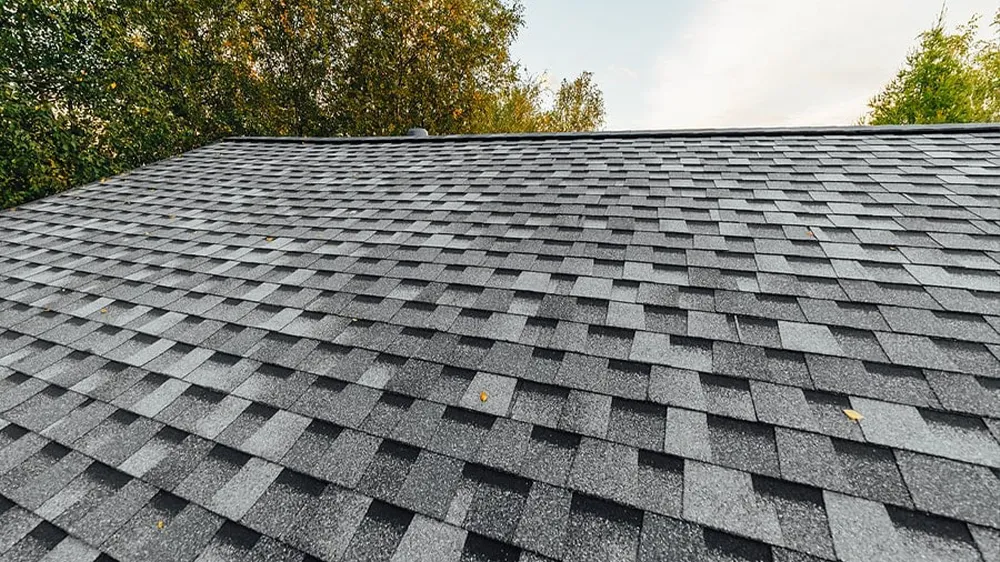
Shingles are the visible roof covering. Overlapping courses help shed rain and protect the layers underneath. Their condition is one part of assessing whether a roof needs repair or replacement.
Ask in your estimate: Which covering and accessories are proposed, and what does the written scope include?
02 / A SECOND LINE OF DEFENCE
Underlayment
Underlayment sits between the roof deck and the covering. It provides a secondary water-shedding layer when used as part of the specified roof assembly.
Ask in your estimate: What underlayment is included, and how will it be installed around roof details?
03 / PROTECTION AT VULNERABLE AREAS
Ice-and-water protection
A self-adhered membrane can provide added protection at vulnerable areas such as eaves and valleys. Its placement depends on the roof design, product instructions, and applicable requirements.
Ask in your estimate: Where is the membrane proposed, and what coverage is included?
04 / THE TRANSITIONS MATTER
Flashing
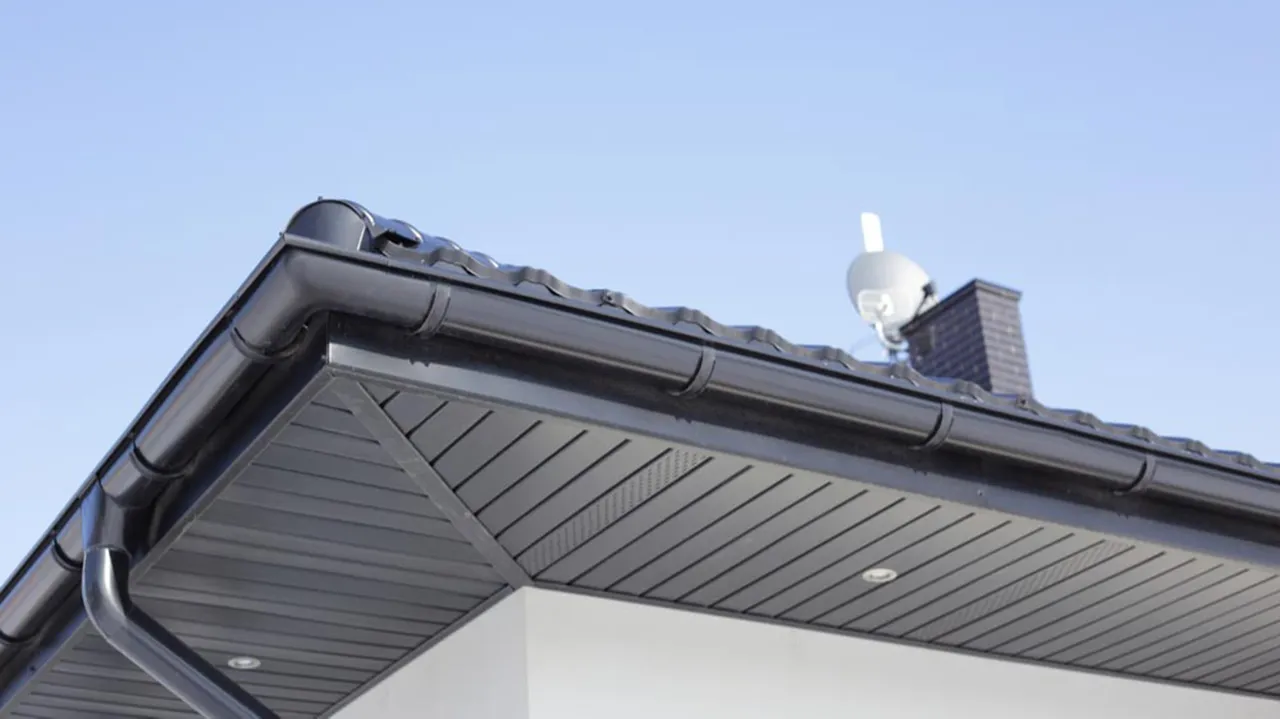
Flashing helps direct water at roof edges, walls, chimneys, valleys, and other transitions. The illustration shows edge flashing; each junction needs the appropriate detail.
Ask in your estimate: Which flashings will be replaced or reused, and how are penetrations and transitions addressed?
05 / THE FOUNDATION BELOW
Roof decking
The deck supports the roofing assembly and provides a surface for attachment. Damaged areas may become apparent when an existing roof covering is removed.
Ask in your estimate: How will deck condition be reviewed, and how will any additional replacement work be priced and approved?
06 / A PATH FOR AIR
Ventilation
In a vented roof assembly, intake and exhaust openings work together to help manage heat and moisture in the roof space. Adding an exhaust vent alone does not establish a balanced ventilation system.
Ask in your estimate: How will the existing intake and exhaust arrangement be assessed for this roof?